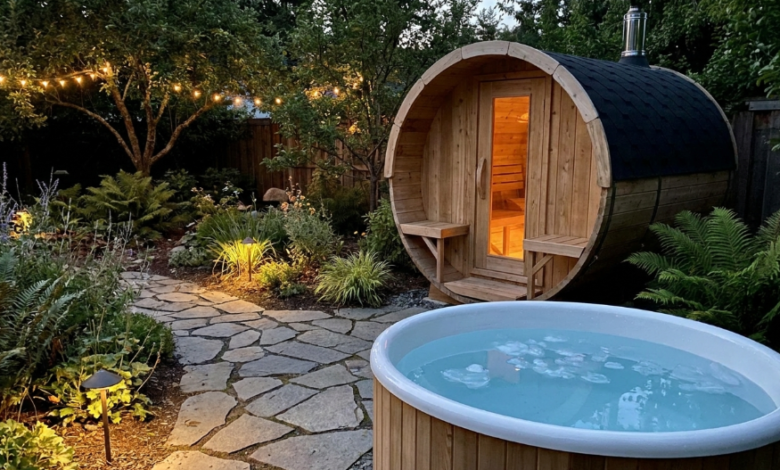
A typical sauna session runs 15 to 20 minutes of heat exposure at 170°F to 195°F, broken into two or three rounds with cooldown breaks between them, followed by rehydration. Beginners should start lower and shorter, closer to 160°F for 8 to 10 minutes, and build up over several visits. Etiquette varies by setting: home use is more relaxed, public and traditional Finnish saunas expect quiet, a towel barrier, and minimal phone use.
Beginner temperature versus experienced temperature: what is the real difference?
A first-time user and someone who saunas three times a week are not aiming for the same number on the thermometer. Beginners commonly start at 150°F to 165°F, low enough that a 10-minute round feels manageable rather than punishing. Regular users often push into the 180°F to 195°F range, where a Finnish-style session traditionally lives, and can tolerate longer rounds because their bodies have adapted to repeated heat exposure over time. Neither number is wrong. The mistake is a first-timer jumping straight to the high end because that is what an experienced friend uses, then leaving after two minutes and deciding sauna use is not for them.
A simple rule: if you cannot comfortably hold a slow, quiet conversation without gasping, the room is too hot for where you are in your adaptation. Turn it down, not up, and let your tolerance build over two or three visits.
Traditional dry heat versus infrared: how does timing change?
Traditional dry sauna heat works on the air around you, so the room needs to reach a high ambient temperature before the session really starts working, and rounds tend to be shorter and more intense, often 10 to 15 minutes at 180°F or higher. Infrared cabins heat the body more directly at lower ambient air temperature, usually 120°F to 140°F, which means sessions commonly run longer, 20 to 30 minutes, at what feels like a gentler heat. Neither approach is more or less legitimate. People who find high dry heat uncomfortable on their sinuses or eyes often prefer the longer, lower-temperature infrared format instead, while people who like an intense, fast sweat gravitate toward traditional heat.
Home sauna etiquette versus public sauna etiquette
At home, the rules are whatever your household agrees on. Some families are casual about towels and conversation; others keep the same formal habits as a public facility out of preference. In a public or shared sauna, the norms are less flexible. Sit on a towel, never bare skin on the bench. Keep phones out or on silent and never take photos. Rinse off before entering. Keep voices low, and in traditional Finnish-style public saunas, silence is often the default rather than the exception. Space is limited in a sauna room, so avoid sprawling across a bench meant for two or three people, and ask before adding water to the rocks if you are not the one who brought the ladle.
One difference people underestimate: at home, you control the door, the light, and who else is in the room, so a longer, more relaxed session is easier to manage. In public, sessions are shorter almost by necessity, since other people are waiting and room capacity is limited. That alone is a reason many regular users eventually buy a home unit rather than rely on drop-in visits, since a $20 to $30 public pass adds up fast if you are using it three or four times a month.
How many rounds and how much rest between them?
Two to three rounds is standard for a full session. A common pattern is 15 minutes of heat, a 5 to 10 minute cooldown with water and fresh air, then a second round, sometimes a third for experienced users. Cooling down matters as much as the heat itself. Stepping outside, a cool shower, or in colder climates a quick cold plunge between rounds helps regulate heart rate and lets you comfortably do another round instead of overheating on the first one and calling it quits early.
Hydration before and after is not optional. A sauna session can produce half a liter or more of sweat, and skipping water afterward is the most common reason people feel lightheaded or get a headache post-session, not the heat itself.
What does the research actually say about frequency and safety?
A widely referenced Mayo Clinic Proceedings review found regular sauna bathing is associated with a range of cardiovascular and general health markers in long-term users, and a systematic review in Evidence-Based Complementary and Alternative Medicine reported similar associations across multiple smaller studies. These are association findings from cohort and observational data, not controlled proof that sauna use by itself prevents disease, and researchers are careful to phrase it that way. A physiology review on heat and cold exposure also notes that most of the data on frequent sauna use comes from Finnish populations who grew up with the habit, so results may not translate identically to someone starting a routine for the first time as an adult.
If you are shopping for a home unit rather than continuing to rely on drop-in visits, it helps to look at a few build styles side by side before deciding on size and heater type: https://sweatdecks.com lists current cabin sizes and finishes for comparison.
Frequently Asked Questions
What temperature should a sauna be set to?
Traditional Finnish saunas usually run 170°F to 195°F. Beginners tend to do better starting at the lower end, around 160°F to 170°F, and working up over a few sessions rather than starting at the maximum setting.
How long should a sauna session last?
Most people stay in for 10 to 20 minutes per round at high heat, with two or three rounds separated by a cooldown break. Fifteen to twenty total minutes of heat exposure is a common target for a regular session.
Is it rude to talk in a public sauna?
Quiet conversation is generally accepted in most Western public saunas, but loud talking, phone use, and phone cameras are not. Traditional Finnish etiquette leans toward silence altogether, so read the room and match the volume of people already inside.
Should you shower before or after using a sauna?
Both. Rinse off before entering to remove lotions, sunscreen, and sweat that can affect hygiene and heater cleanliness, and rinse or cool down after each round to help your body regulate temperature before the next one.
How often can you safely use a sauna?
Two to four sessions a week is a common range in the research on regular sauna users, and some frequent users go almost daily without apparent issues. Anyone with a heart condition or who is pregnant should check with a doctor before starting a regular habit.
References
- Cardiovascular and Other Health Benefits of Sauna Bathing: A Review of the Evidence, Mayo Clinic Proceedings, 2018
- Clinical Effects of Regular Dry Sauna Bathing: A Systematic Review, Evidence-Based Complementary and Alternative Medicine, 2018
- Effects of heat and cold on health, with special reference to Finnish sauna bathing, American Journal of Physiology, 2018