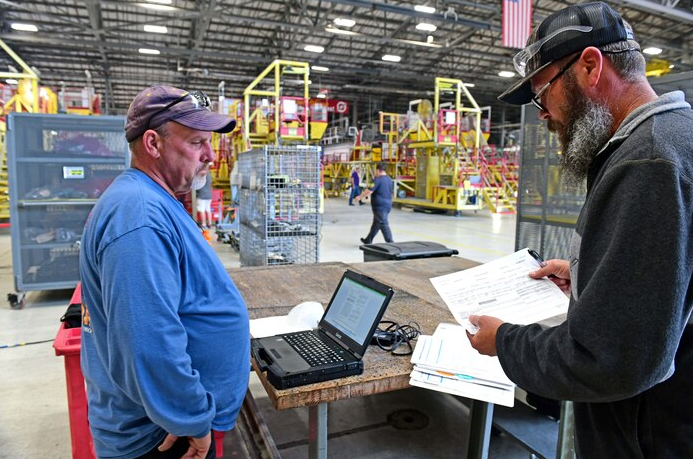
Industries across the world depend on a complex, interconnected framework of materials, scientific processes, technical systems, and supply networks. While finished products receive most of the attention, the true foundation of modern manufacturing lies in the unseen forces that ensure everything performs as expected. This invisible foundation includes polymer technology, rigorous quality control, advanced engineering, supply-chain precision, and the everyday expertise of specialized partners such as polyvinyl alcohol suppliers, whose behind-the-scenes work enables countless industries to operate smoothly.
In this final article of the series, we explore how hidden mechanisms support industrial reliability, why they matter now more than ever, and how innovation continues to reshape the future of material performance.
1. The Silent Infrastructure of Industrial Materials
Every major product—from adhesives, films, electronics, medical devices, packaging, paints, textiles, coatings, and household goods—relies on materials engineered with precision. Material science has progressed far beyond basic functionality; it now integrates:
- Molecular engineering
- Purity optimization
- Environmental resistance
- Predictable behavior under stress
- Consistent structural performance
What makes modern materials reliable isn’t visible. It is the culmination of precise chemical formulations, controlled industrial processes, and deep research that informs every variable.
1.1 Why Reliability Begins at the Molecular Level
Material reliability is determined by characteristics such as:
- Polymer chain length
- Crystallinity
- Thermal stability
- Solubility behavior
- Additive balance
- Moisture sensitivity
Even microscopic adjustments in these parameters can dramatically change performance. Industries expect stability down to the molecular scale.
1.2 Reliability Is a System, Not a Feature
Material reliability is not a single property. It is a system shaped by:
- Scientific research
- Production consistency
- Performance testing
- Supply reliability
- Environmental compatibility
This holistic perspective is essential for maintaining industrial standards.
2. Research and Development: The Hidden Engine
Before materials enter production lines, they undergo years of research and refinement. R&D involves controlled experimentation and predictive modeling to ensure flawless behavior in real-world conditions.
2.1 Controlled Laboratory Experiments
Researchers evaluate:
- Mechanical strength
- Film formation
- Adhesion
- Moisture resistance
- Viscosity behavior
- Thermal endurance
Purpose-built test environments reveal how materials react to extreme conditions—heat, cold, pressure, and exposure.
2.2 Predictive Technology and Simulation
Modern labs rely heavily on:
- Digital simulation
- Molecular modeling
- AI-driven analytics
- Automated measurement systems
These tools uncover potential weaknesses and optimization opportunities long before material production scales up.
2.3 The Role of Pilot-Scale Testing
Pilot production is a bridge between lab-scale perfection and industrial-scale reality. It identifies issues such as:
- Equipment compatibility
- Processing variation
- Drying-time discrepancies
- Unexpected chemical interactions
Pilot testing ensures that theoretical performance translates into manufacturing consistency.
3. Quality Control: The Guardian of Reliability
Material quality is verified through a multi-stage process. Quality control prevents failures that could disrupt entire production lines.
3.1 Incoming Raw Material Checks
Before production begins, raw materials are screened for:
- Purity
- Moisture level
- Particle size
- Density
- Residual contaminants
Only materials that meet strict thresholds are approved.
3.2 Inline Monitoring During Production
Advanced production facilities monitor:
- Reaction temperatures
- Polymerization rates
- Mixing uniformity
- Viscosity patterns
- Drying profiles
Intelligent systems alert operators to irregularities in real time.
3.3 Final Batch Certification
Every batch is certified using:
- Spectroscopic analysis
- Viscosity checks
- Mechanical tests
- Thermal evaluation
- Impurity screening
Industries rely on batch certificates to maintain regulatory compliance and quality guarantees.
4. Supply Chain Stability: The Quiet Determinant of Industrial Success
Even the most advanced materials must be delivered and stored correctly to retain their integrity.
4.1 Controlled Transport Conditions
Materials are transported under specific guidelines for temperature, handling, and humidity exposure. Any deviation can compromise performance.
4.2 Warehouse and Storage Controls
Storage facilities maintain:
- Low-moisture environments
- Stable temperatures
- Clean handling procedures
- Protective packaging protocols
Many materials can degrade invisibly if stored incorrectly.
4.3 Timely Delivery Ensures Production Stability
Manufacturers depend on predictable delivery calendars to:
- Maintain continuous production
- Reduce downtime
- Avoid batch delays
- Prevent supply variability
A well-coordinated logistics chain keeps factories running smoothly.
5. Industry-Specific Interpretations of Reliability
Different industries define reliability in different ways, depending on their application requirements.
5.1 Packaging and Film Manufacturing
Reliability in packaging requires:
- Tear resistance
- High clarity
- Barrier properties
- Food-contact safety
- Predictable stretching behavior
Even a slight inconsistency can cause large-scale packaging failure.
5.2 Pharmaceutical and Medical Manufacturing
Here, the standards are extremely strict. Materials must demonstrate:
- Near-perfect purity
- Reproducible solubility
- Biocompatibility
- Zero harmful residues
- Long-term stability
In this sector, reliability becomes a matter of human safety.
5.3 Adhesives and Coatings
Industries expect:
- Strong bonding strength
- Controlled drying times
- Resistance to environmental exposure
- Uniform film formation
- Compatibility with various substrates
Adhesion failures can cause costly product recalls.
5.4 Electronics and Precision Engineering
Materials must withstand:
- Electrical stress
- Thermal cycling
- Humidity exposure
- High processing accuracy
Small defects can lead to device malfunction.
5.5 Textiles and Surface Treatments
Consumers expect textiles to be:
- Strong yet flexible
- Colorfast
- Long-lasting
- Comfortable
- Environmentally safe
Material integrity directly affects product lifespan.
See also: Sleep Deeper: Grounding Techniques That Truly Work
6. Sustainability as a Core Metric of Reliability
Sustainability has shifted from an optional priority to a structural requirement in material development.
6.1 Water-Soluble and Biodegradable Approaches
Industries increasingly prefer materials that:
- Reduce microplastic waste
- Break down safely
- Minimize ecological impact
- Meet new environmental regulations
The push for eco-friendly materials is reshaping manufacturing chemistry.
6.2 Cleaner Production Processes
Cleaner production involves:
- Lower emissions
- Reduced energy consumption
- Waste minimization
- Responsible sourcing
Environmental performance is now part of material integrity.
6.3 Recyclability and Circular Design
A material’s value extends beyond its initial use—industries want materials that support:
- Reuse
- Recycling
- Circular processing
- Minimal end-of-life impact
Circularity is a growing industrial mandate.
7. Collaboration: The Backbone of Material Evolution
Modern reliability is built through cooperation between scientists, manufacturers, and technical partners.
7.1 Technical Support Enhances Material Behavior
Technical experts assist customers with:
- Process optimization
- Equipment adjustments
- Troubleshooting
- Application improvement
- Efficiency upgrades
This partnership prevents performance issues.
7.2 Knowledge Sharing Accelerates Innovation
Research collaborations produce:
- Improved material grades
- Application-specific solutions
- More energy-efficient formulations
- New sustainable alternatives
Knowledge transfer strengthens entire industries.
7.3 Standards and Certifications Build Trust
Compliance frameworks ensure safety and consistency across regions, especially in:
- Food-contact materials
- Pharmaceutical components
- Environmentally regulated polymers
Certifications create global reliability benchmarks.
8. The Hidden Challenges That Threaten Material Stability
Even robust materials face risks that must be mitigated.
8.1 Environmental Degradation
Exposure to moisture, UV radiation, or heat can weaken materials over time.
8.2 Processing Variability
Differences in machinery, temperature settings, or mixing processes can cause performance fluctuations.
8.3 Chemical Interactions
Unexpected interactions between formulation ingredients may:
- Change viscosity
- Alter adhesion
- Affect solubility
8.4 Human and Operational Factors
Improper handling, incomplete documentation, or inconsistent storage conditions can compromise stability.
9. The Future of Material Reliability
As industries modernize, the next era of material integrity will be shaped by:
9.1 Smart Materials
Future materials will adapt automatically to changing conditions, enhancing long-term stability.
9.2 AI-Assisted Design
Artificial intelligence will support:
- Predictive modeling
- Failure analysis
- Formulation optimization
- Real-time quality monitoring
9.3 Extreme Customization
Industries will increasingly seek materials tailored to:
- Specific chemical environments
- Precise temperature ranges
- Specialized machinery
- Regional compliance demands
9.4 Zero-Waste Process Architecture
Efficiency-driven production will reduce:
- Scrap material
- Energy consumption
- Water usage
- Emissions
This shift integrates sustainability deeper into material science.
10. Conclusion: Invisible Forces Drive Visible Success
Industrial reliability depends on countless hidden factors—scientific expertise, molecular engineering, environmental controls, quality assurance systems, logistics precision, and collaborative innovation. These invisible forces empower industries to produce high-quality products at scale, safely and consistently.
Behind every successful product is a world of engineering that most people never see. The future of industrial innovation depends not only on bold ideas but on the quiet, meticulous, and deeply technical frameworks that uphold reliability at every stage.
As industries continue to evolve, the unseen will remain the foundation of everything visible.